10.02.2008

Experience


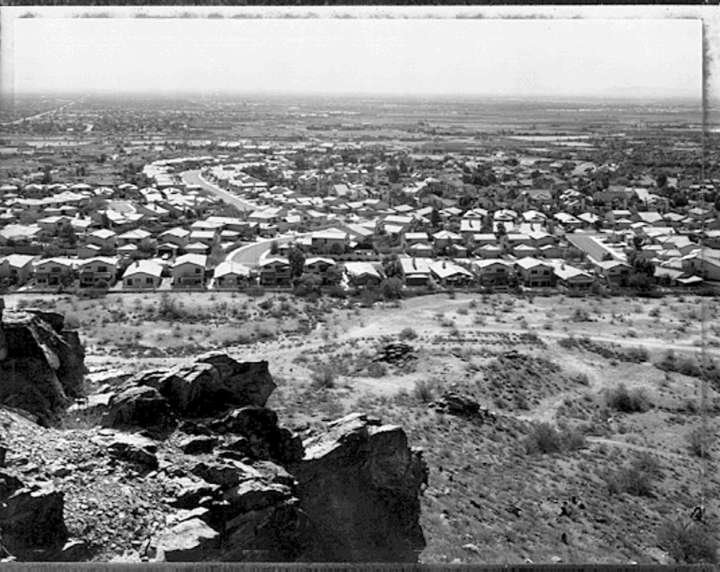
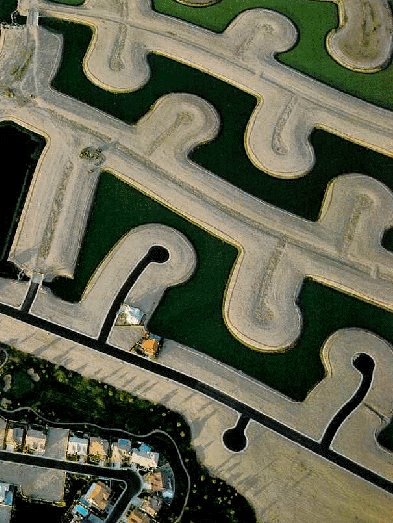
A sense of place requires more direct contact with the natural aspects of a place, with soils, landscape, and wildlife. This sense is lost as we move down the continuum toward the totalized urban environment where nature exists in tiny, isolated fragments by permission only. Said differently, this is an argument for more urban parks, summer camps, greenbelts, wilderness areas, public seashores. If we must live in an increasingly urban world, let’s make it one of well designed compact green cities that include trees, river parks, meandering greenbelts, and urban farms where people can see, touch, and experience nature in a variety of ways.

David W. Orr
Ecological Literacy, 1992
(from Sonoran Desert Perserve Master Plan)

10.01.2008

A New Standard of Land Development


Developer shows that creating homes can also mean preserving habitat and beauty and sets a new standard of best practices.


These new standards include:
• Protecting the land and its wildlife corridors forever. Ninety-five percent of the land at Three Canyons is permanently preserved as open space.

• Creating a land management plan that is designed to replenish the environment through human activity, not despite it.

• Collaborating and investing in the surrounding community through local initiatives, such as an organic farm and providing funds for the community foundation’s endowment.

• Establishing a non-profit Conservation Stewardship Organization, La Semilla, to oversee land restoration and preservation and providing funding through a transfer fee each time a lot or home in Three Canyons is sold.

• Investing $3 million in the Three Canyons Water Improvement District, the first of its kind in Santa Cruz County – unlike many rural “ranchette” developments where each home site has its own well with no oversight.

State Land Trust


Arizona has approximately 9.28 million surface acres and 9 million subsurface acres of Trust lands. Scattered throughout the State, the Trust lands are extremely diverse in character, ranging from Sonoran desert lands, desert grasslands, and riparian areas in the southern half of the state, to the mountains, forests and Colorado Plateau regions of northern Arizona. The majority of the Trust lands are located in rural areas of the State with more than one million acres located within or adjacent to urbanized areas. The Trust lands constitute approximately 13% of land ownership in Arizona.


State Trust lands are often misunderstood in terms of both their character and their management. They are not public lands, but are instead the subject of a public Trust created to support the education of our children. The Trust accomplishes this mission in a number of ways, including, through its sale and lease of Trust lands for grazing, agriculture, municipal, school site, residential, commercial and open space purposes. In both rural and urban contexts, Trust lands also provide the substantial added benefit of creating critical local economic stimulation.

Subscribe Now: Feed Icon

The Natural

Open Space and DesignVoid

The NB Interface

Nature and Development Meet

White Tank Mountains

The Built

Urban: Designed Space and Place

3 Canyons

3 Canyons
All the News